Full Mouth Reconstruction
A patient walks in asking, "How many implants do I need?" It's a fair question. It's almost never the first one I answer.
A patient walks into my office with a mouth full of broken, worn-down, or missing teeth, sits down, and asks the same question I've heard for more than twenty years: How many implants do I need?
It's a fair question. It's almost never the first question I answer.
Full-mouth reconstruction has become synonymous, in a lot of marketing, with "a lot of dental implants." And yes, implants are often part of the answer. But if I skip past how your jaw is working right now and jump straight to placing hardware, I've set that patient up for the same cycle of failure that brought them to my chair in the first place. Here's how I think about it, and why the first appointment in my office usually goes differently than you'd expect.
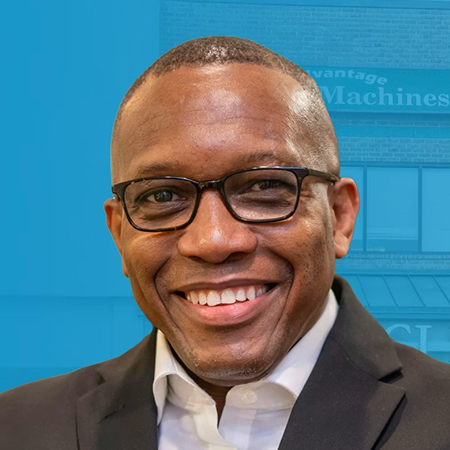
I'm Dr. Mohamed Saccoh. I'm a board-certified dentist and Fellow of the International Congress of Oral Implantologists, and I founded Family, Cosmetic & Implant Dental Care here in Joppa, MD. My training at the Las Vegas Institute for Advanced Dental Studies (LVI) shaped how I think about full-mouth reconstruction, and I mentor other dentists on these kinds of cases at the Scottsdale Center for Advanced Dentistry. I complete more than five times the continuing education hours required by the state each year, because the work moves, and I want to move with it.
Before I talk about what's going into a patient's mouth, I want to understand how their mouth is working.
When someone has lost multiple teeth, or ground their teeth down over years, or had crowns fail one after another, there's almost always a reason underneath. It usually isn't bad luck. Their bite has shifted. Their jaw muscles are compensating. The jaw joint has learned to rest somewhere other than where it was designed to rest. By the time they reach the point of needing a full-mouth rebuild, the mouth I'm looking at isn't the mouth they started with. If I build a new set of teeth on top of that dysfunction, the new teeth will fail the same way the old ones did. Just slower, and with a higher price tag.
This is why the first thing I do is measure how the jaw is actually functioning, not just what the teeth look like.
Sometimes that conversation leads to a very different answer than the patient expected. One of my patients shared her experience on Google:
"I was told by another dentist that I had to have major work done in my mouth, and that I had to lose several of my teeth. When I first arrived here Dr. Saccoh told me that I will not be losing anymore teeth and I haven't. I give it a 10 out of 10.…"
— Betty, 5-Star Review
That's not a one-off. The answer to how many implants do I need is often fewer than you were told, or not yet, or sometimes none. We need to fix something else first.
A single implant in an otherwise healthy mouth is, honestly, mostly a carpentry problem. Good bone, good gum, careful placement, proper restoration. It's a discipline, but it's a contained one.
A full-mouth reconstruction is different. Whether the plan ends up being All-on-4 dental implants, a combination of implants and crowns, or a full rebuild of the upper and lower arches, it's a systems problem. Every tooth has to work with every other tooth. The top arch has to work with the bottom arch. And the whole set has to work with a jaw joint that, in many of these cases, has been overworking and compensating for years.
One of the clearest windows into that dysfunction is teeth grinding. Grinding isn't just a bad habit. It's usually the body's response to a bite that isn't sitting where it wants to sit. Here's a short walkthrough of how we think about grinding in the context of full-mouth restoration:
Ignore that underlying dysfunction, and you can build the most beautiful set of restorations in the world and still watch the porcelain crack, the implants shift, or the headaches that brought the patient in the first place come back six months after the "finish." I've seen it happen in other dentists' work, and I've learned to respect it.
Early in my career, like most dentists, I was trained to think tooth-first. Find the broken tooth, fix the broken tooth. That works beautifully for a filling. It is not enough for an entire mouth.
My training at the Las Vegas Institute for Advanced Dental Studies reframed that for me. LVI teaches a neuromuscular approach. The short version is that the jaw has a position it wants to rest in when the muscles are relaxed and balanced, and most of the complex cases we see have drifted away from that position. The work of a full-mouth reconstruction isn't just replacing teeth. It's guiding the bite back to where the jaw wants it, and then building the restorations to hold it there.
This is the part of the work I now teach other dentists at the Scottsdale Center for Advanced Dentistry. Sequencing these cases (knowing what to fix first, what to stabilize next, and when to place the permanent restorations) is where full-mouth cases succeed or fail. It's also the part that takes the most patience.
People who are ready for a full-mouth rebuild often arrive wanting it done fast. I understand that. Many of them have been living with this for years, sometimes decades. Some have been avoiding the dentist entirely.
That's the patient I want to slow down for, not speed up. Here's what the first visit in my office usually looks like for a full-mouth case:
Step 1
What's hurting, what's embarrassing, what they've been told before, what they're hoping for.
Step 2
A 3D cone beam scan of the jaw and bone. Digital X-rays. Photographs. A bite analysis: how the teeth are coming together, where the jaw is resting, what the muscles are doing.
Step 3
In some cases, before I place a single permanent restoration, I'll use a temporary appliance or a "trial bite" to let the jaw settle into a better position and let the patient feel what a corrected bite is like.
Step 4
Not a quote for a procedure. A plan that sequences what gets stabilized first, what gets restored second, and where implants (if they're needed) fit into that sequence.
None of this is drilling. All of it is the reason the final result lasts.
I place a lot of implants. I believe in them deeply. For the right case, at the right time, in the right sequence, there's no better way to replace missing teeth. But "right time" matters as much as "right case."
Here's roughly how I sort it in my head:
Healthy bite, stable jaw, localized tooth loss. The rest of the mouth is functioning. The implant slots into a working system.
The bite is off, but correctable with restorative work and careful sequencing. I'll do the foundational work, let the jaw settle, and then place implants into a corrected system.
The jaw joint itself is symptomatic: headaches, clicking, muscle pain, a bite the patient can feel is "off." In these cases, I'll use a bite appliance for a period of weeks or months to let the muscles relearn where they want to rest. Only then do I plan permanent work.
The last category is the one that surprises patients most. They came in expecting to leave with a treatment plan full of implants, and instead, they're leaving with a bite appliance and a follow-up in six weeks. But it's the difference between a restoration that lasts five years and one that lasts twenty-five.
I'd rather let them tell it. Three of our patients shared their full-mouth stories on camera:
If someone has told you that you need a lot of dental work and you're not sure where to start, or if you've been avoiding the question for a while because it feels too big, the honest first step probably isn't an implant. It's a conversation about how your bite is working right now, and whether your jaw is in a position where new teeth will actually last.
No pressure, no pre-written treatment plan. Just a look at what's actually going on.
The team at Family, Cosmetic & Implant Dental Care provides comprehensive treatments using state-of-the-art technology so that you and your family can enjoy beautiful and healthy smiles. Our dentists are members of professional associations including:
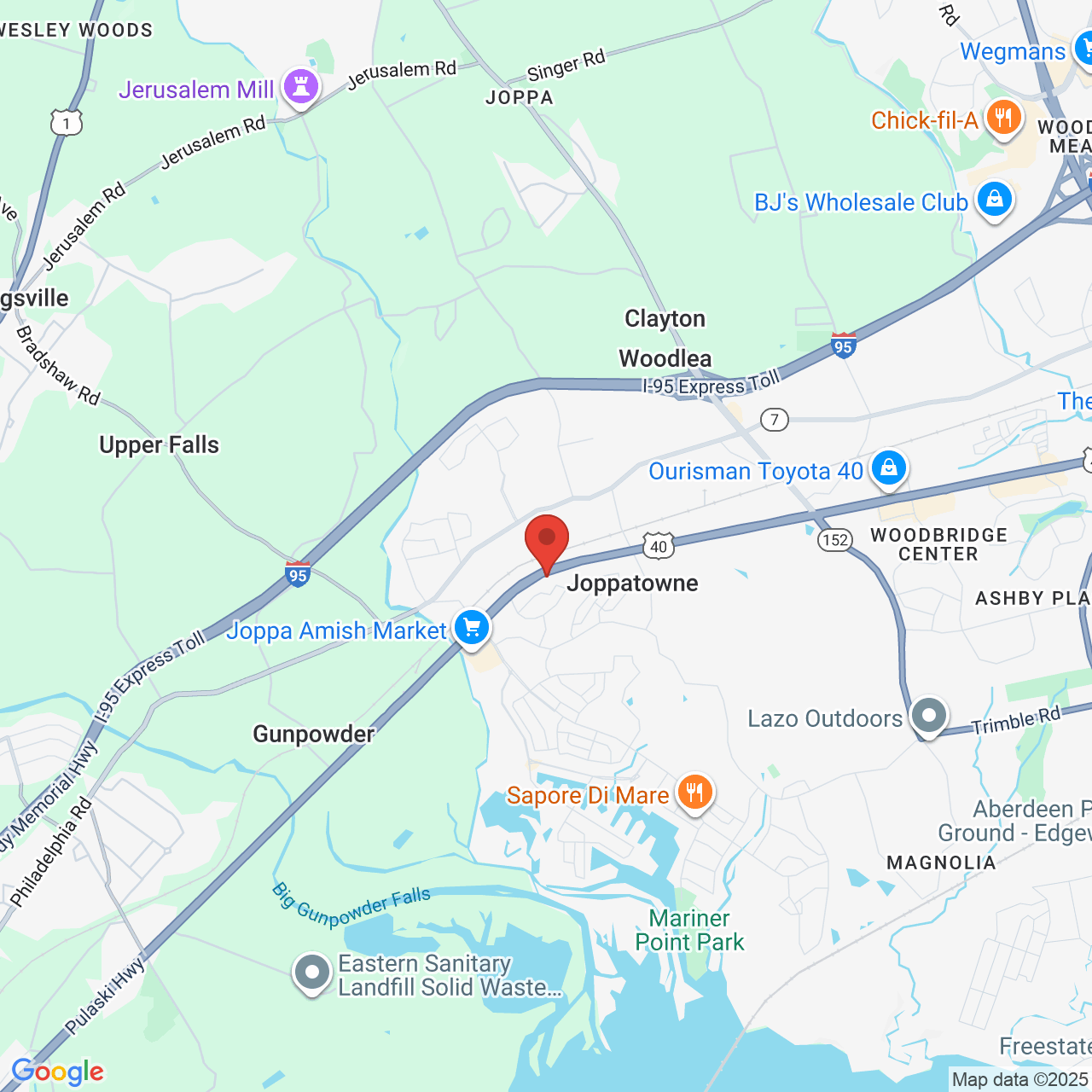
To schedule an appointment at our Joppa, MD, dentist office, contact us online or call (410) 679-4500.